


AI and rising electricity costs: What you should know
EDF's Natasha Vidangos on AI, electricity bills and the clean energy race
When Natasha Vidangos talks about the solutions to climate change, she rarely begins with gadgets or breakthroughs. She starts with systems — the messy, interlocking machinery of politics, businesses and people. She’s focused on: If we understand the science, why is it so difficult to act on it?
Vidangos, who leads Environmental Defense Fund’s advocacy for innovation and technology policy, shares in this candid conversation her perspectives on artificial intelligence, rising electricity costs and the Wild West moment we’re in — at a time when the Trump administration is blocking clean energy projects that are proven to help lower electricity costs.
This interview by Tom Clynes has been edited for length and clarity.
You are one of the architects of EDF’s work on artificial intelligence and data centers. What do you think about this issue?
AI is obviously a very consequential technology, and this is a consequential moment. We hear everything from “AI will tank the planet” to “AI will save the planet.” The reality, as with most technologies, is that it will probably be a mix of good and bad, a transformational technology that brings both opportunities and challenges.
One of our teams has been focusing very specifically on how AI gets its power. Data centers are being built at an incredible pace, and Silicon Valley moves much faster than the power sector is used to moving. That raises a lot of hard questions. Who pays for the power? Who pays for the infrastructure? What happens to local electricity rates where data centers are built?
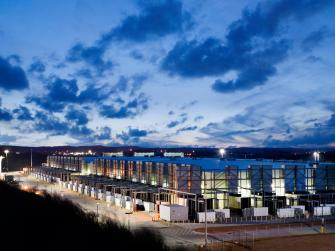
The stakes are enormous. There’s also a parallel conversation about water use. There’s not much transparency right now around how much energy and water these facilities are using or will use.
So, we’re in a sort of Wild West moment?
That’s exactly right. There’s a lot of innovation happening very fast, and it’s hard to predict how much energy demand we’ll see five or 10 years from now. That depends on where development happens, how efficient chips become and how the architecture of data centers evolves.
All of that creates lots of uncertainty, but it’s also an opportunity. This is a chance to rethink how we build new electricity demand in a way that’s better for society — cleaner, less polluting and more efficient.
There’s also real interest right now in powering data centers with emerging options like geothermal and small modular nuclear reactors. We are pushing for solutions that are low-carbon, with strong environmental and community protections and transparency.
What is EDF advocating for when we engage with policymakers and companies?
We break it into a few core buckets. First, we should build as much clean energy as we possibly can. Zero-emission, zero-carbon options should be built out aggressively wherever it makes sense, and we also need the transmission infrastructure that ties it all together.
Second, we need to use the grid more efficiently. Grid flexibility, or demand flexibility, is getting a lot of attention right now. That involves adjusting demand so the grid can deliver maximum value at any given moment, rather than constantly building new capacity that sits idle much of the time.
Third, we need to mitigate pollution. A lot of fossil fuel generation is already in the pipeline. It’s going to be built. So we have to make sure it’s built to the highest possible standards, with transparency and a clear understanding of the impacts, especially on local communities. These decisions move fast, but the infrastructure lasts for decades. We can’t afford to be asleep at the wheel.
Fourth, ratepayers shouldn’t bear the brunt of data center-driven costs. Policymakers can require data centers to pay their fair share for new infrastructure and upgrades they cause. In Texas, North Carolina and Pennsylvania, EDF is actively advocating for stronger rules that protect families and businesses from these costs.
What about the Trump administration’s actions?
The Trump administration has obstructed the build-out of clean power for millions of Americans, pushing an agenda to delay, freeze and cancel clean energy projects. At the same time, the administration has been fast-tracking oil, gas and coal projects and forcing aging coal power plants to stay open beyond their useful lives. This is costing consumers millions.
Clean energy is often cheaper and faster to build than fossil fuels. It also creates good-paying jobs and doesn’t pollute our air. We need more affordable, homegrown energy powering the grid — not less.
Maximize your impact to reduce pollution and safeguard our health
Give now to defend our planet:
Your gift can help reduce dangerous pollution
Give now to defend our planet: