


Helping lower methane from cow burps
Date updated:
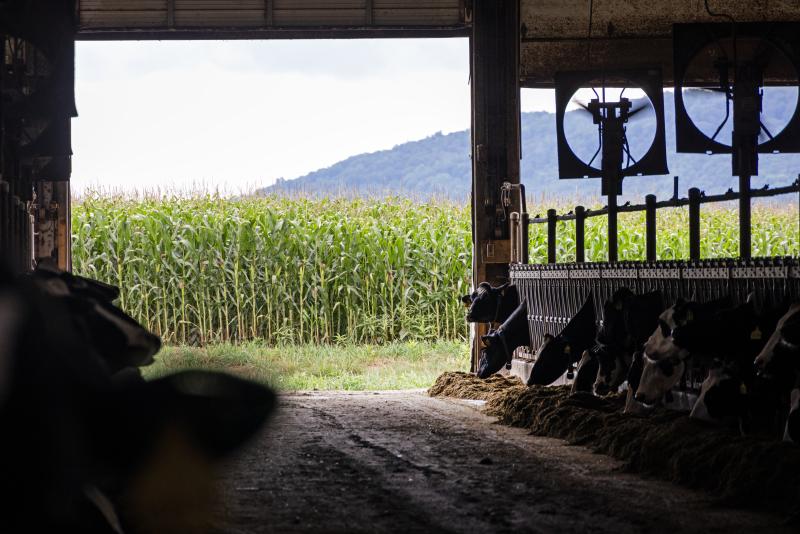
Methane from cow burps, known as enteric methane, is a powerful climate opportunity. Greenhouse gases like methane fuel climate change, making extreme weather worse — and that affects agriculture. Droughts, heat waves and floods impact cattle health and productivity, making it even harder for farmers and ranchers to plan for the future.
Tackling methane is the single fastest way to slow down climate change — reducing the risk of the extreme weather threatening livestock production. And working with farmers, ranchers and researchers to create strategies for lowering enteric methane emissions is a direct way to stabilize the climate.
EDF works with farmers and researchers to identify global enteric methane solutions.
Opportunities to lower enteric methane emissions
- Adjusting what cows eat: Improving a cow’s diet or giving them feed supplements can reduce methane emissions and intensity (how much is emitted per liter or gallon of milk).
- Genetics: Some cows emit less methane naturally, and the more we know about the relationship between a cow’s genetics and their enteric methane production, the more we can make the most of those traits.
- Accessible solutions: For solutions to be effective and widely adopted, they must be easy to use and measure.
Project highlight: Using dairy cows’ food to reduce methane
Like professional athletes, dairy cows in the United States have customized diet and nutrition plans built by nutritionists. These nutritionists almost universally use a tool called the Cornell Net Carbohydrate and Protein System (CNCPS) to design dietary recommendations for cows.
Environmental Defense Fund and Cornell teamed up to confirm that CNCPS can also can accurately predict enteric methane. Accurately measuring enteric emissions is a critical step in reducing them, but measurements take farmers’ time and money. This partnership is also exploring using CNCPS as a methane mitigation tool as well as a nutrition tool.
Related experts
-

Senior Scientist, Livestock Systems
-
Livestock Methane Scientist
-

Associate Vice President, Global Agricultural Methane
MEDIA CONTACT
Callie Stevens
(480) 269-1719 (office)
Maximize your impact to reduce pollution and safeguard our health
Give now to defend our planet:
Your gift can help reduce dangerous pollution
Give now to defend our planet: